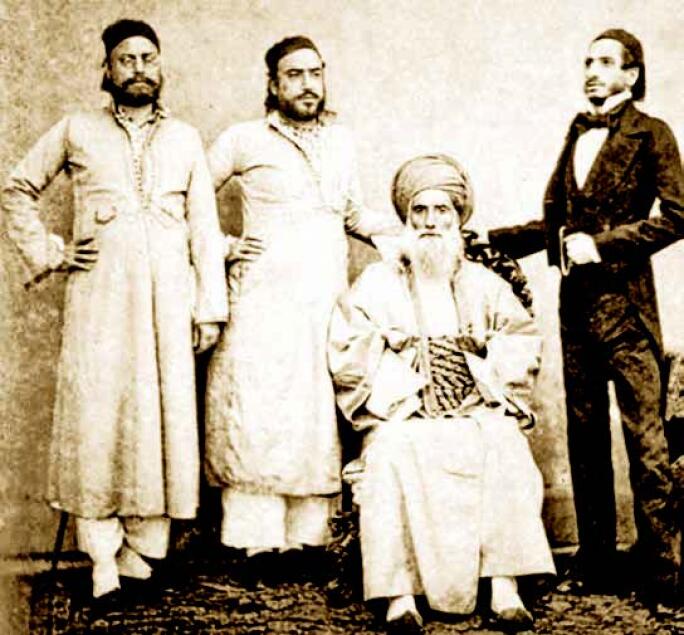
Before the tech giants and the modern hedge funds, one family built a global fortune on the back of a flower. This is the story of the Sassoons—the Iraqi Jewish dynasty that dominated the East, fueled an empire, and changed the map of Asia through the shadows of the Opium trade.
From Baghdad to Global Dominance
The story begins in Baghdad, where the Sassoons served as the treasurers to the Ottoman Sultans. But as political winds shifted, the family’s patriarch, David Sassoon, fled to India in 1832. In the bustling port of Bombay, he realized that the true key to world power wasn’t just gold—it was trade routes.
While the Rothschilds were conquering Europe’s banking system, the Sassoons were building a “Shadow Web” across the Indian Ocean, reaching the shores of China.
The Opium Monopoly: Trading in Shadows
The core of the Sassoon fortune came from a single, controversial commodity: Opium.
At the time, the British Empire was desperate to balance its trade with China. The Sassoons stepped into the gap. They didn’t just trade Opium; they industrialized it.
By the mid-1800s, David Sassoon & Co. controlled a massive portion of the Opium shipped from India to China. They built private docks in Bombay and massive warehouses in Hong Kong and Shanghai. For decades, a significant percentage of the “poppy” trade that fueled China’s addiction passed through Sassoon hands.
The “Jewel” of Shanghai
The family’s influence reached its peak with Sir Victor Sassoon, a flamboyant billionaire who transformed Shanghai into the “Paris of the East.” He built the iconic Cathay Hotel (now the Peace Hotel), which became the playground for the world’s elite, spies, and power brokers.
But beneath the glamour of the jazz age in Shanghai lay the grim reality: the city’s wealth was largely built on the trade that was tearing the country apart. The Sassoons were no longer just merchants; they were kingmakers, influence peddlers, and the ultimate masters of “Dark Money” in the Orient.
The Fall: When the Shadows Closed In
The Sassoon empire didn’t fall to a competitor; it fell to history. The rise of Chinese nationalism, the Japanese invasion in WWII, and finally the Communist Revolution of 1949 wiped out their Asian assets overnight.
Sir Victor Sassoon famously said: “I gave up India, and now I give up China.” The family retreated to London, integrating into the British aristocracy, leaving behind a legacy of marble palaces and a dark history of a trade that hooked a nation.
Conspiracy & Legacy: The Puppet Masters of the East?
To this day, the Sassoons remain a central figure in deep-state theories regarding the British Empire’s control over Asia.
- The Theory: Some argue that the Sassoons weren’t just traders, but the primary financial architects of the “Opium Wars,” using their influence over the British Parliament to force China to stay open to the drug trade.
- The Connection: Their ties to the British Royal Family and the Rothschilds (through marriage) created a “Global Financial Triangle” that some claim managed the world’s wealth in secret for over a century
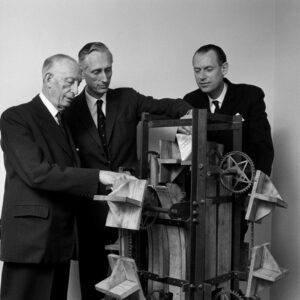 The Carton Dynasty – Rausing family
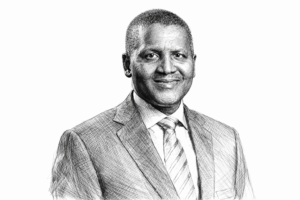 Aliko Dangote: The Architect of Modern Africa